← All writingA regulator does not want your intentions. They want your logs.
The EU AI Act entered into force on 1 August 2024 and arrives in stages. The ban on unacceptable-risk practices and the AI-literacy duties applied from February 2025. Obligations for general-purpose AI models have been live since 2 August 2025. The largest wave lands on 2 August 2026, when the transparency duties and the Commission’s enforcement powers take effect, with fines reaching €35 million or 7% of global annual turnover. The 2026 Omnibus agreement pushed some Annex III high-risk deadlines out to December 2027, but the direction of travel is fixed: if you run AI in Europe, you will be asked to show your work.
Feb 2025
Prohibited practices and AI-literacy duties apply
Aug 2025
GPAI model obligations in force
Aug 2026
Transparency rules and enforcement powers
Dec 2027
Annex III high-risk duties (per Omnibus)
The obligations that become queries
Read Articles 8 to 15 as an engineer and they stop sounding like policy. They read like a specification for what your system must record. Each duty on the left has an answer on the right that is simply a query against an audit trail.
Article 12 · Logging
Automatic record-keeping over the system’s lifetime
Evidence
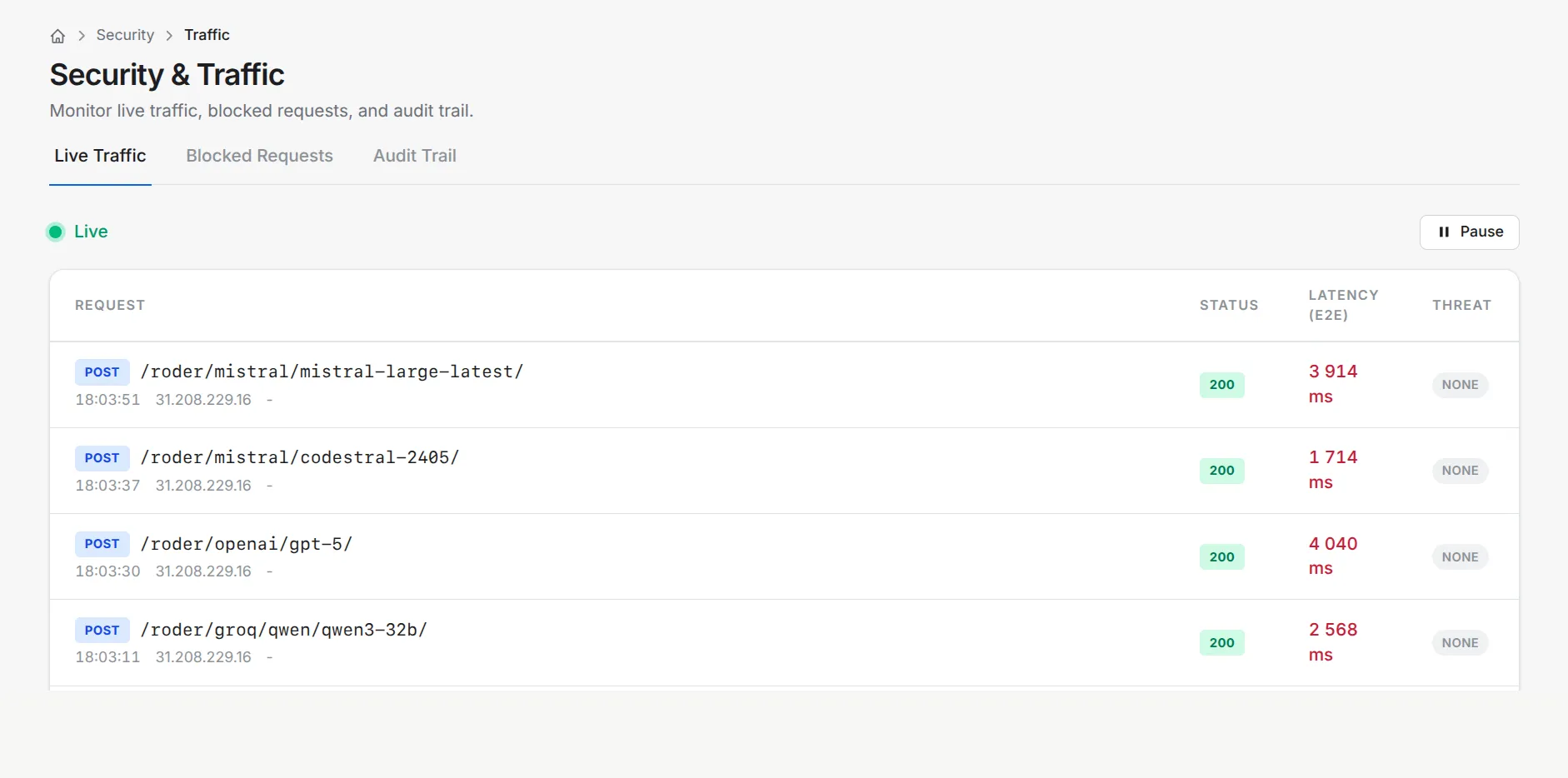
An immutable, timestamped record of every AI request and decision. “Show me every inference for system X last quarter.”
Article 50 · Transparency
Disclose AI interaction; label synthetic output
Evidence
A disclosure flag on each interaction and a machine-readable label on generated content, both queryable.
Article 14 · Human oversight
A person can understand, override and intervene
Evidence
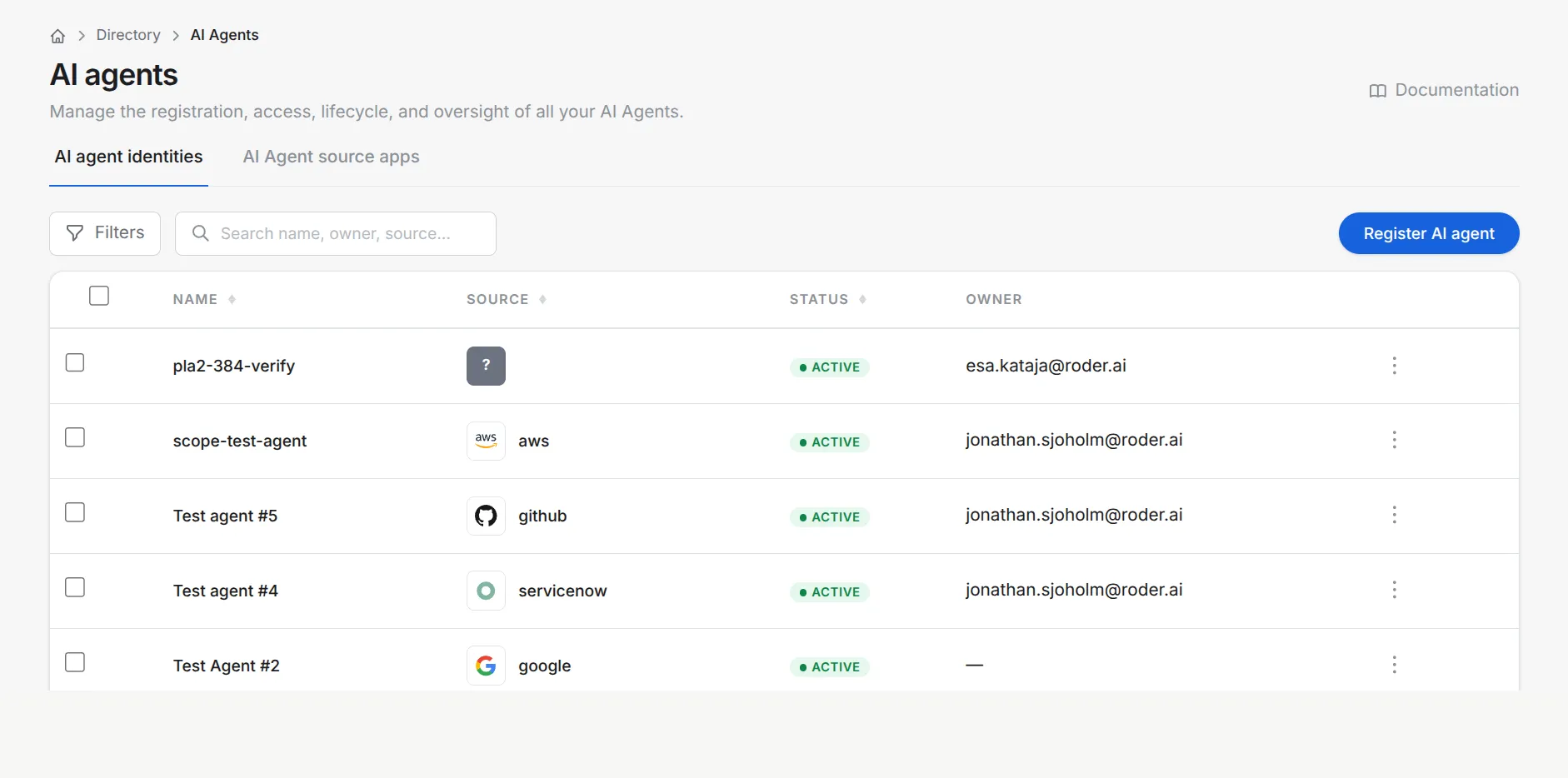
Every override, approval and escalation captured, with the identity of the human who made it.
Article 10 · Data governance
Govern the data that goes in and comes out
Evidence
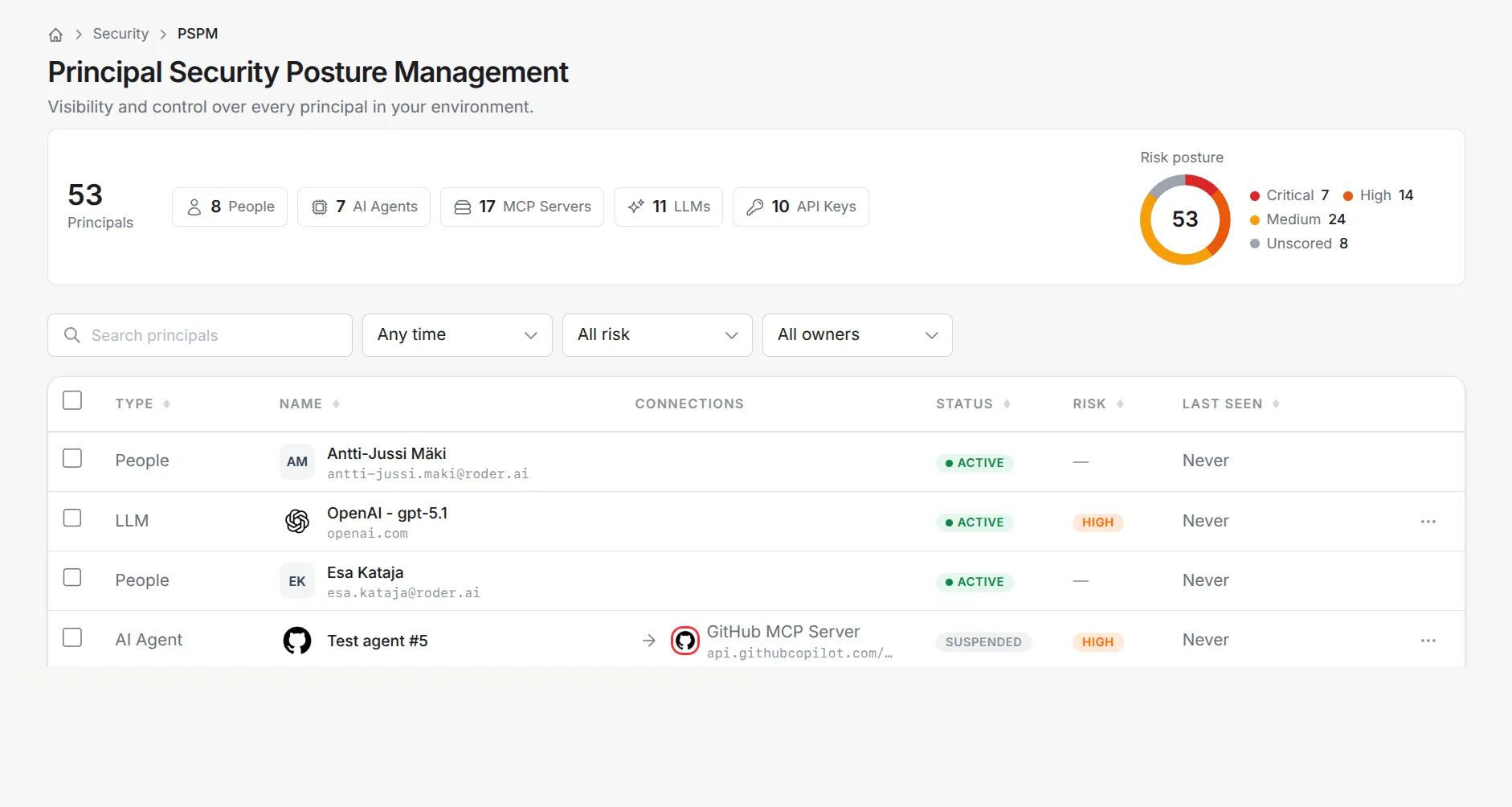
What entered the prompt, what was redacted, and where it was processed, on every request.
Article 15 · Accuracy and robustness
Monitor performance and report incidents
Evidence
Drift and incident records, retained and exportable to a regulator on request.
From promise to query
This is the whole difference between saying “we comply” and proving it. When a supervisor asks how a system behaved, the answer should be a query that returns signed records, not a workshop that produces a slide deck.
roder.audit › query: system=hr-screening period=Q2-2026
→ 41,204 inferences · 100% logged · 318 redactions · 12 human overrides
→ export: signed, EU-resident, GDPR Art.30 ready
Built in, not bolted on
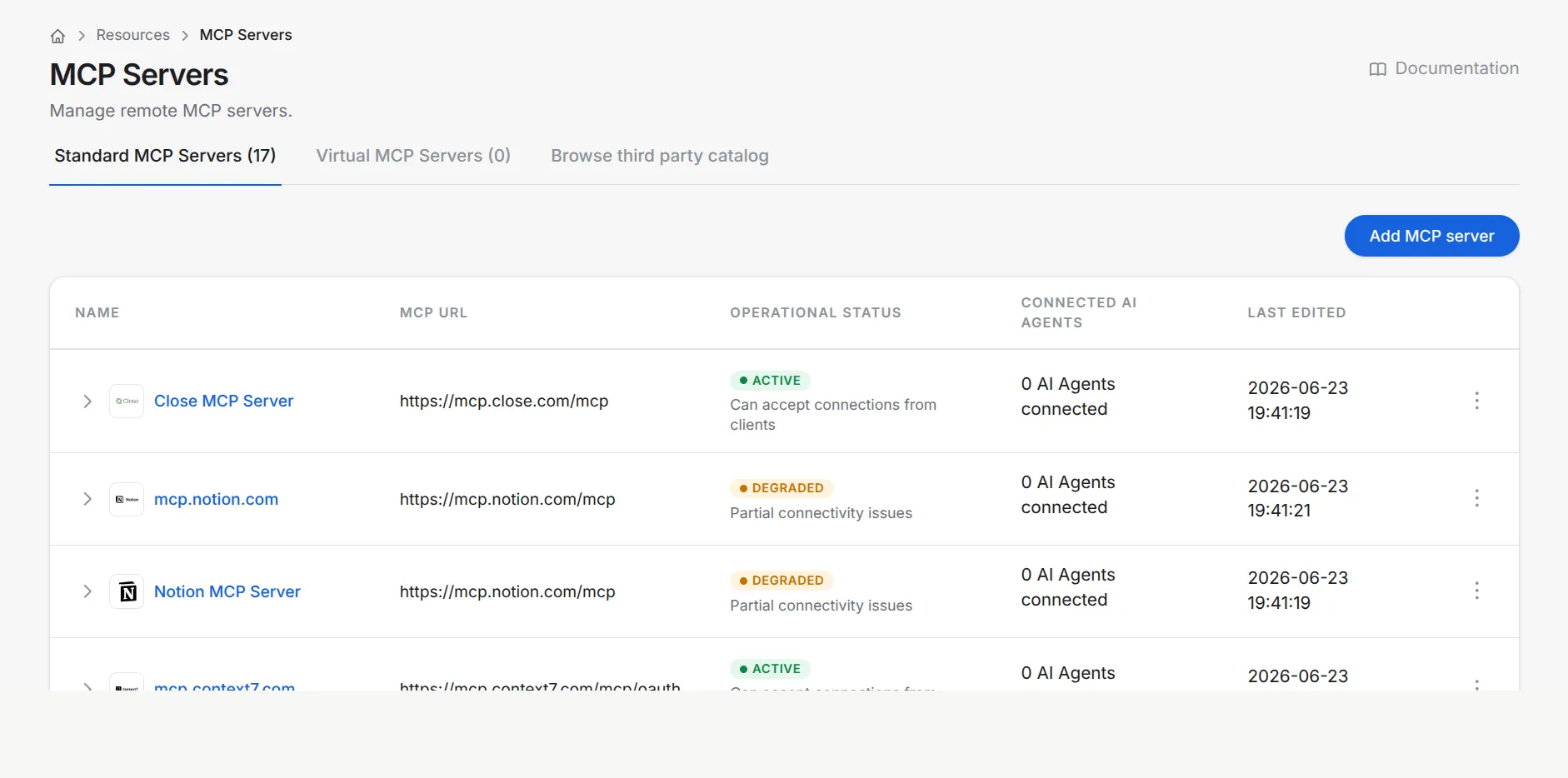
Roder ships Compliance Packs for GDPR, the EU AI Act, DORA, NIS2 and EHDS as policy sets and evidence templates, and every request already produces the underlying record. The regulation becomes configuration rather than a scramble, because the evidence was being written the whole time.
 Built in Helsinki for regulated European enterprises — no US Cloud Act exposure.