← All writingNobody passed a special law for your chatbot. They did not need to.
DORA has applied to financial entities since January 2025 and is now in its first real supervisory enforcement cycle. NIS2 sets a cybersecurity baseline across critical sectors, with national transposition and compliance obligations culminating in an October 2026 deadline. For firms in scope of both, DORA acts as lex specialis and takes precedence where the two overlap. None of these regimes carve out AI. In January 2026, Germany’s BaFin made that explicit: AI systems, including generative models and LLMs, are not a separate regime. They must be embedded into existing ICT governance, testing and third-party risk frameworks, with documented model monitoring, access controls and resilience testing.
Jan 2025
DORA applies to financial entities
Jan 2026
BaFin: AI sits inside existing ICT rules
Oct 2026
NIS2 compliance deadline for covered entities
2026
First genuine DORA enforcement cycle
Where your AI already sits
You do not need an AI clause to be on the hook. Each existing requirement already reaches your models, your providers and your prompts.
DORA · Third-party risk
Govern your ICT providers end to end
For your AI
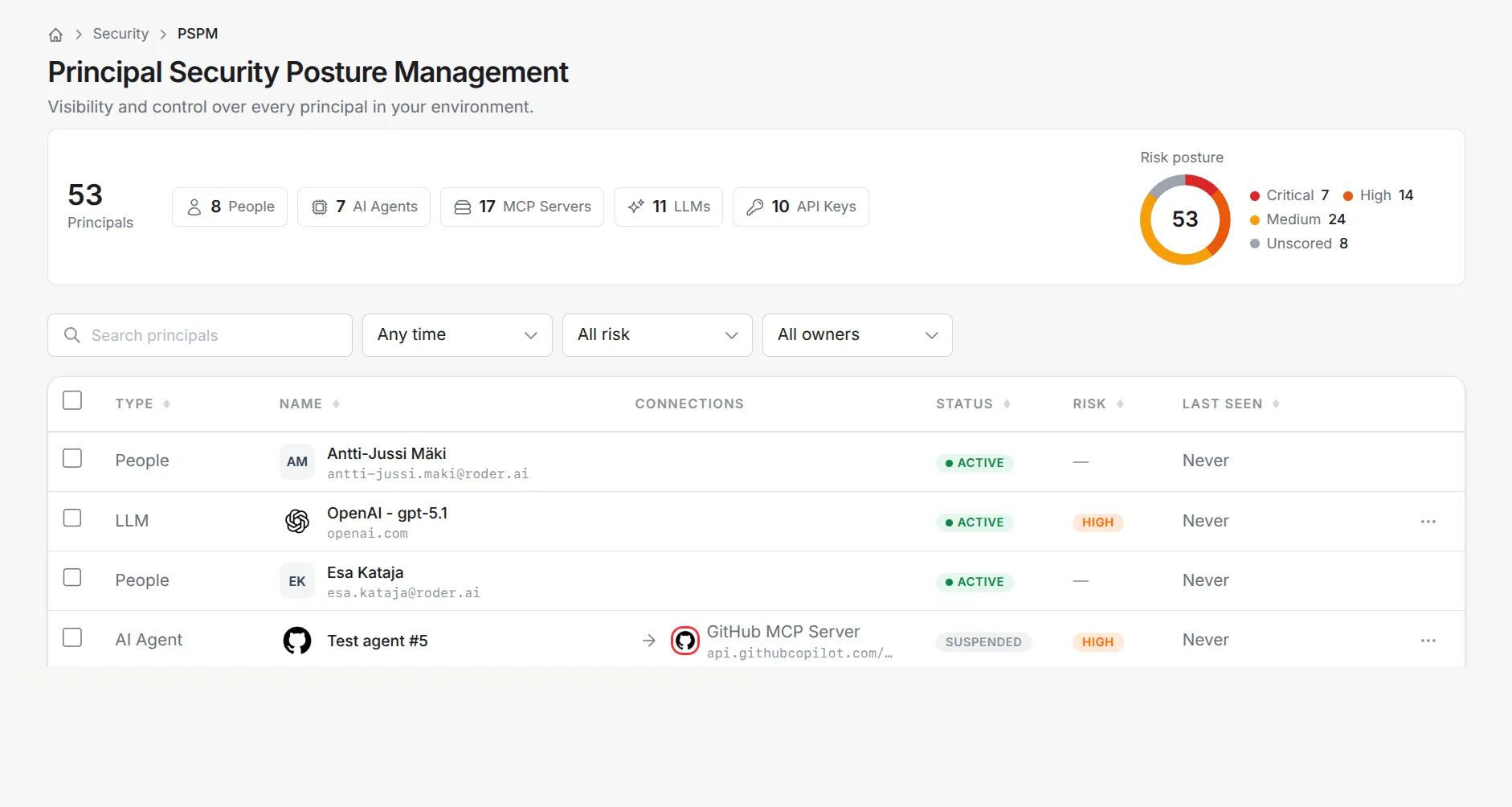
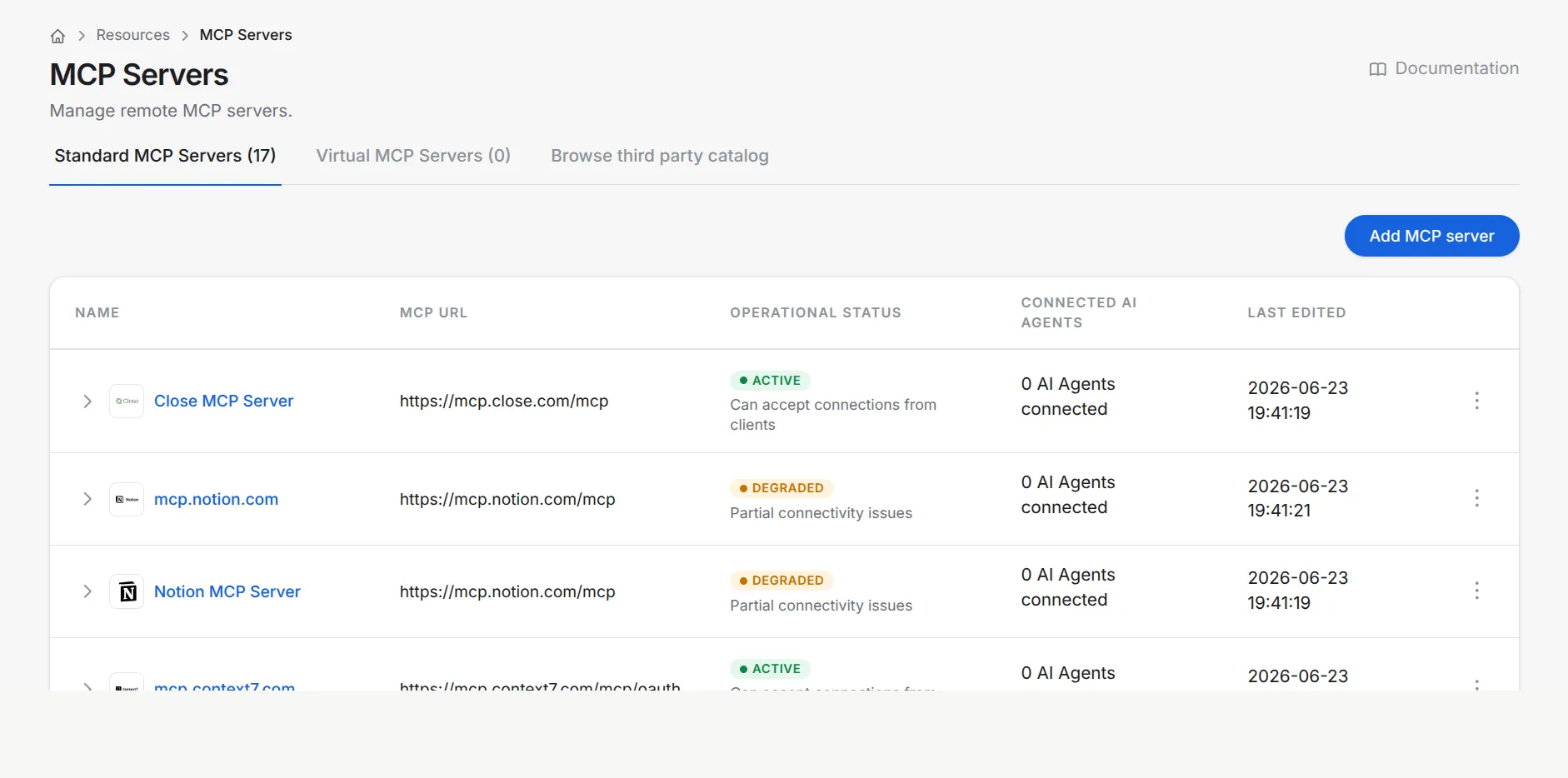
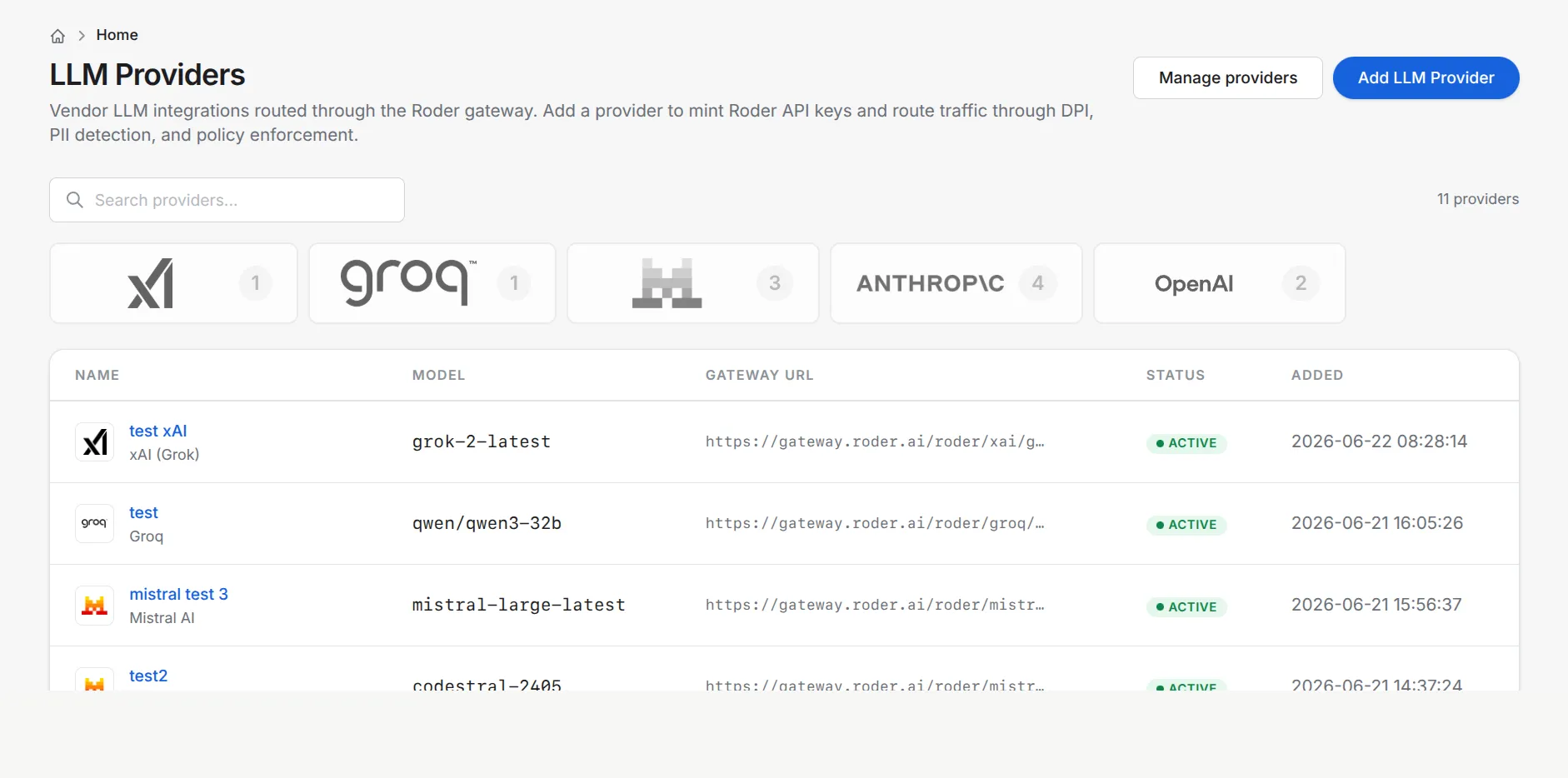
Your LLM and MCP providers are ICT third parties. Register them, monitor them, and prove you can exit.
DORA · Incident reporting
Report major ICT incidents on a clock
For your AI
An AI-driven data leak or outage is a reportable ICT incident, with the same timelines as any other.
DORA · Resilience testing
Test critical systems for resilience
For your AI
AI applications must be tested like any other critical system, with the results documented.
NIS2 · Logging and monitoring
Detect, log and be able to show it
For your AI
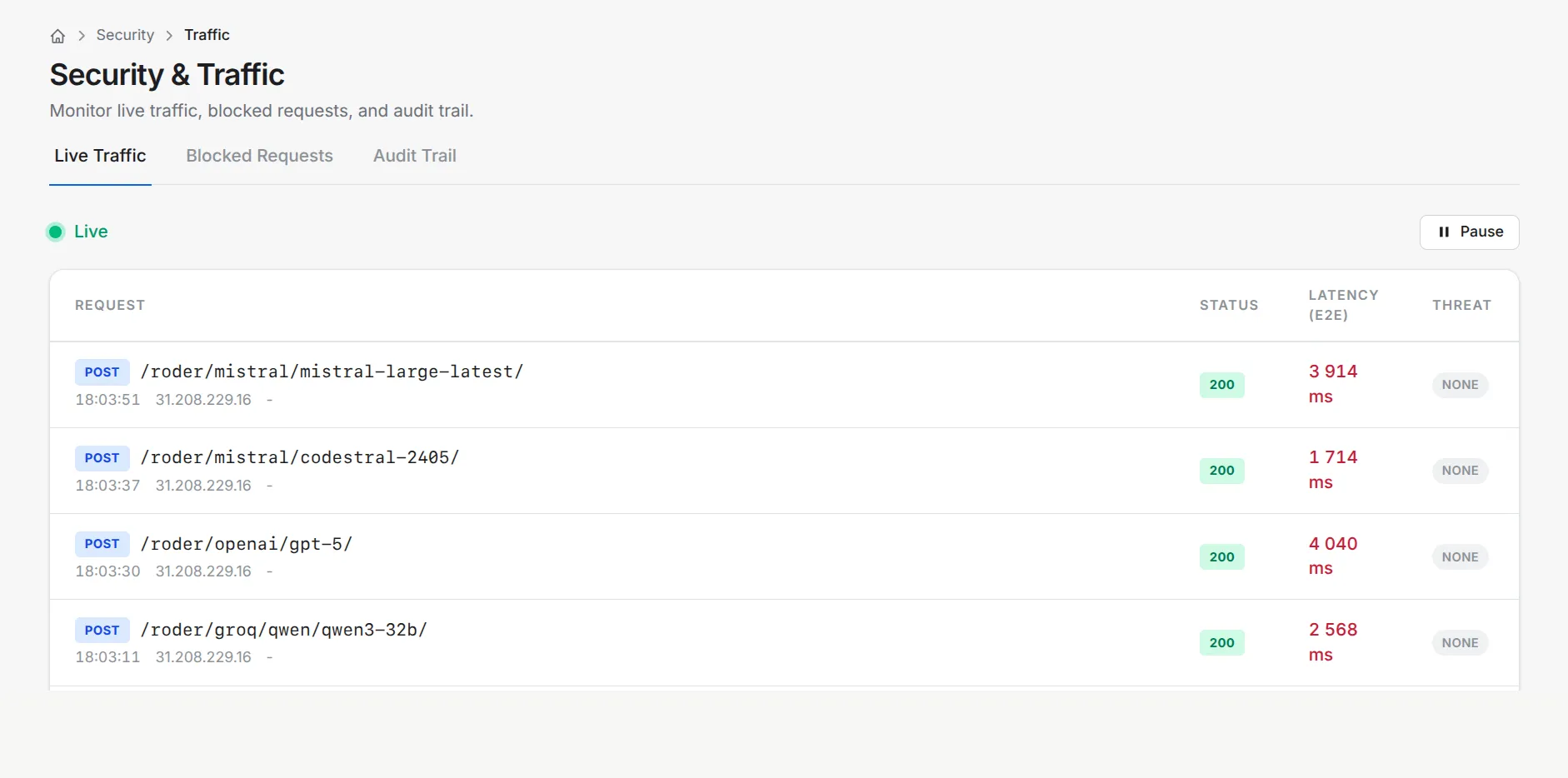
Every action, whether a view, a download or a share, traceable and exportable to your SIEM and GRC.
NIS2 · Board accountability
Management is answerable for cyber risk
For your AI
“We did not know it was being used” is not a defense. Visibility into AI usage is now a board-level duty.
The AI you forgot to log
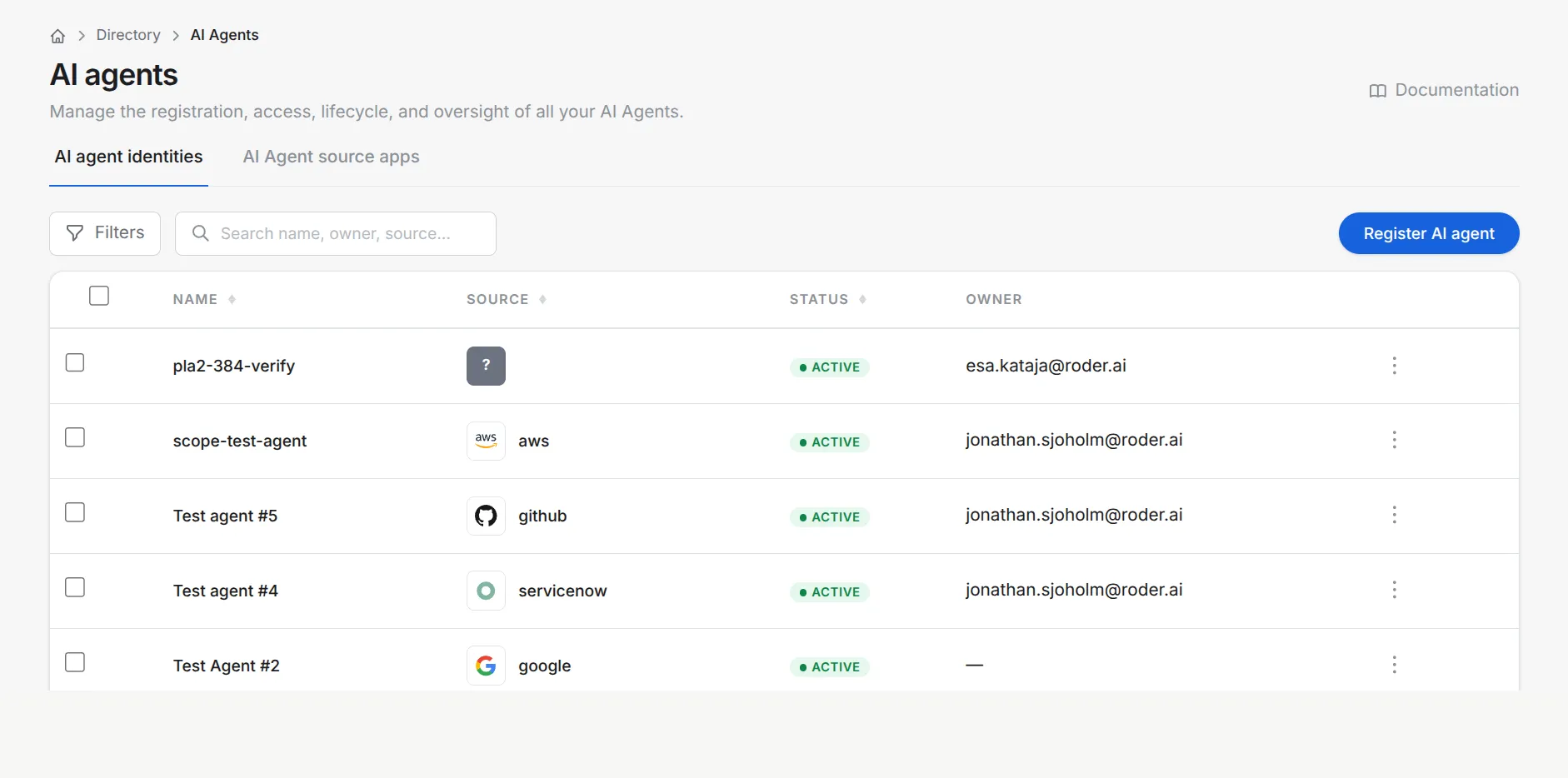
Shadow AI is what turns all of this from paperwork into exposure. Usage you cannot see cannot be registered as a third party, reported as an incident, or tested for resilience. The first question in any DORA or NIS2 review is some version of “show me,” and unmanaged AI traffic is usually the gap in the answer.
One control plane, two regimes
Roder produces the third-party register, the incident trail, the resilience evidence and the SIEM export from a single inline gateway. Compliance Packs map DORA and NIS2 to concrete controls, so the overlap between them is handled once rather than maintained twice.
 Built in Helsinki for regulated European enterprises — no US Cloud Act exposure.