← All writingMost shadow-AI problems are not malicious. They are a Tuesday.
Someone pastes a customer contract into a free chatbot to summarise it before a call. A developer drops a stack trace with live keys into an assistant. None of it is on a list anyone approved, and that is the point. By 2026, 98% of organisations have employees using unsanctioned AI tools. Verizon’s 2026 DBIR found that shadow-AI detections rose roughly fourfold in a single year. Yet only about a quarter of organisations have comprehensive visibility into how their people actually use AI. When a breach involves shadow AI, it adds hundreds of thousands of dollars to the bill.
98%
of orgs have unsanctioned AI use
4×
rise in shadow-AI detections in a year
25%
have comprehensive visibility
$4.2M
average shadow-AI breach cost
You can’t govern what you can’t see
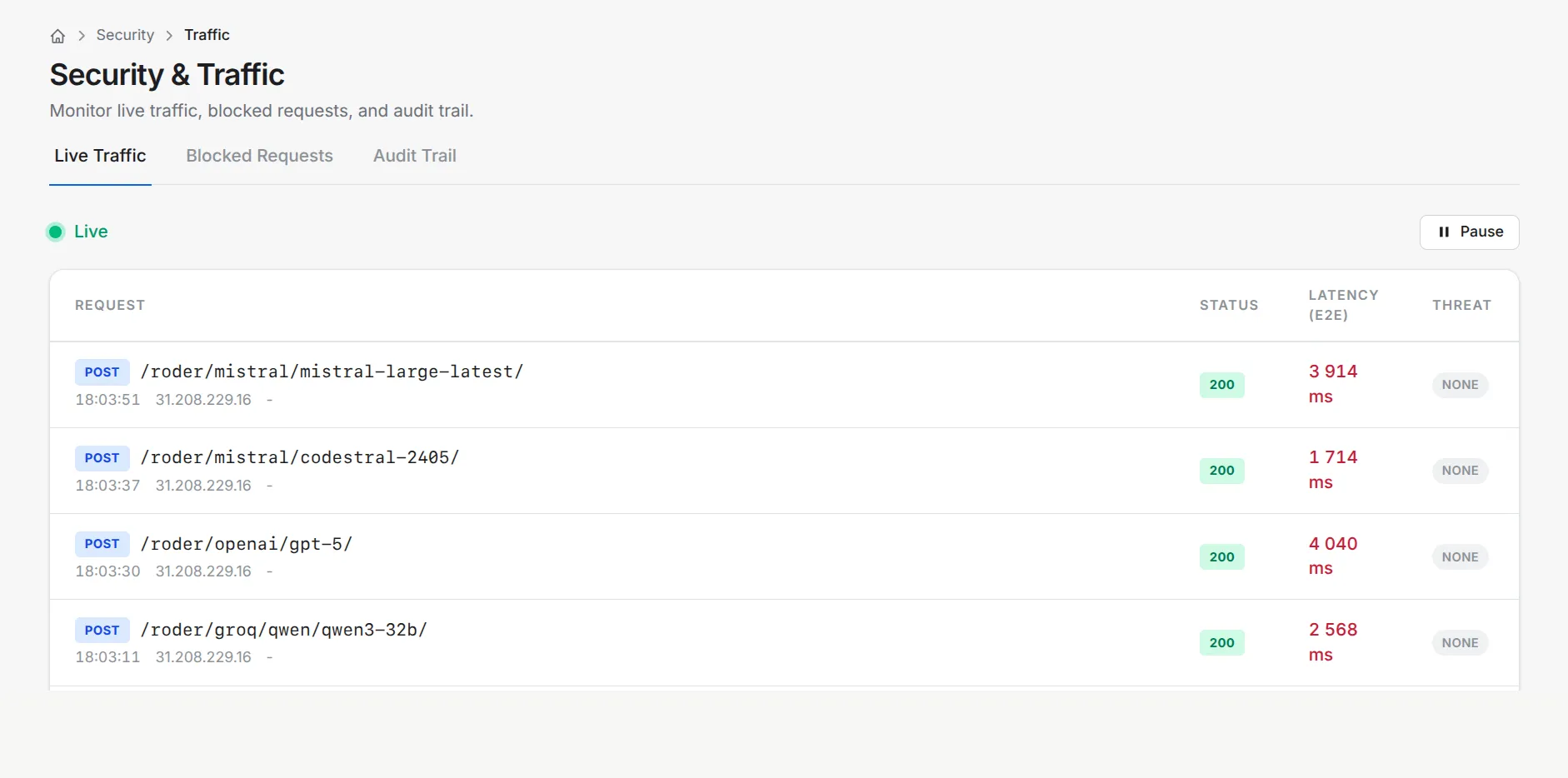
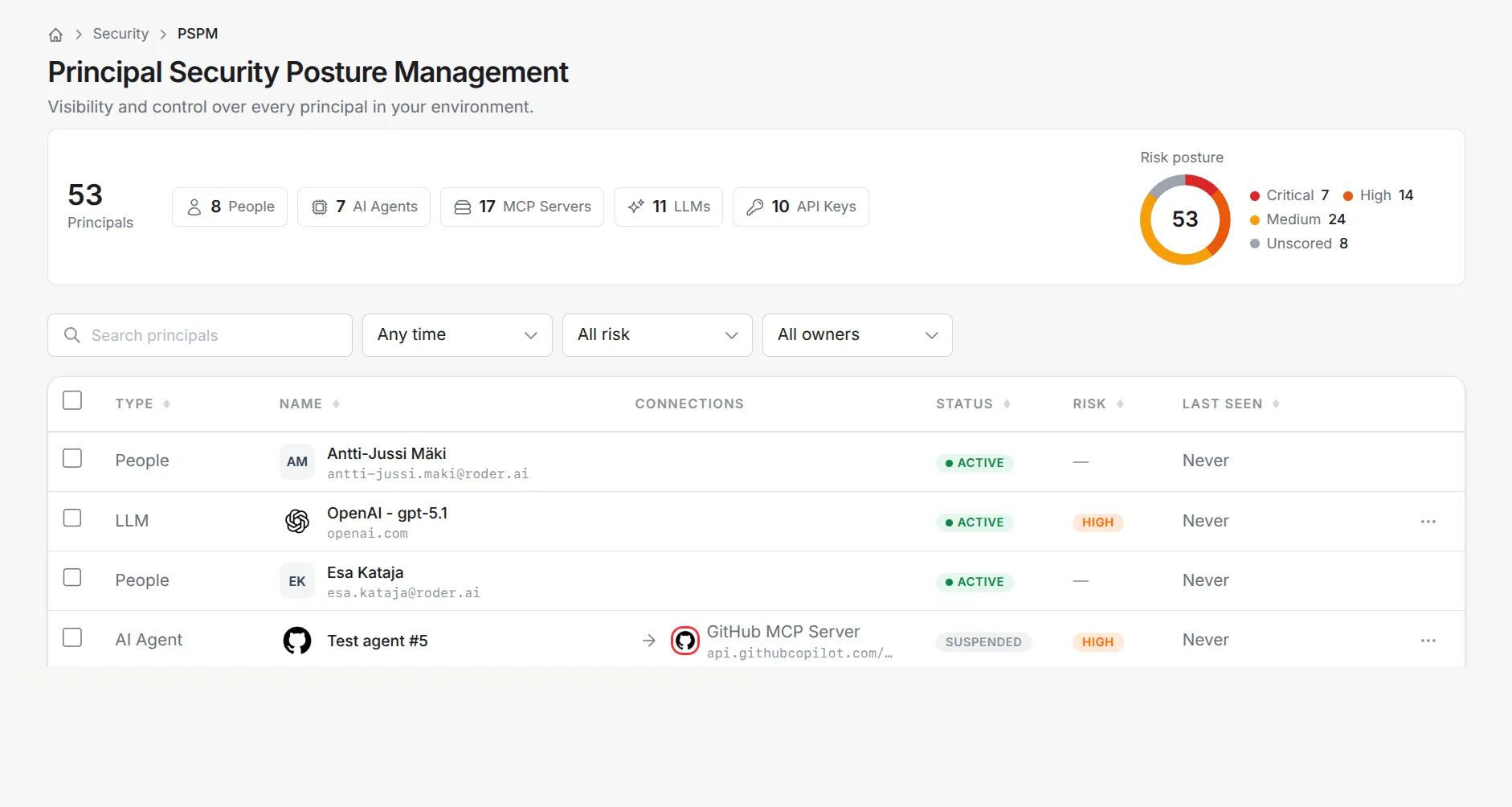
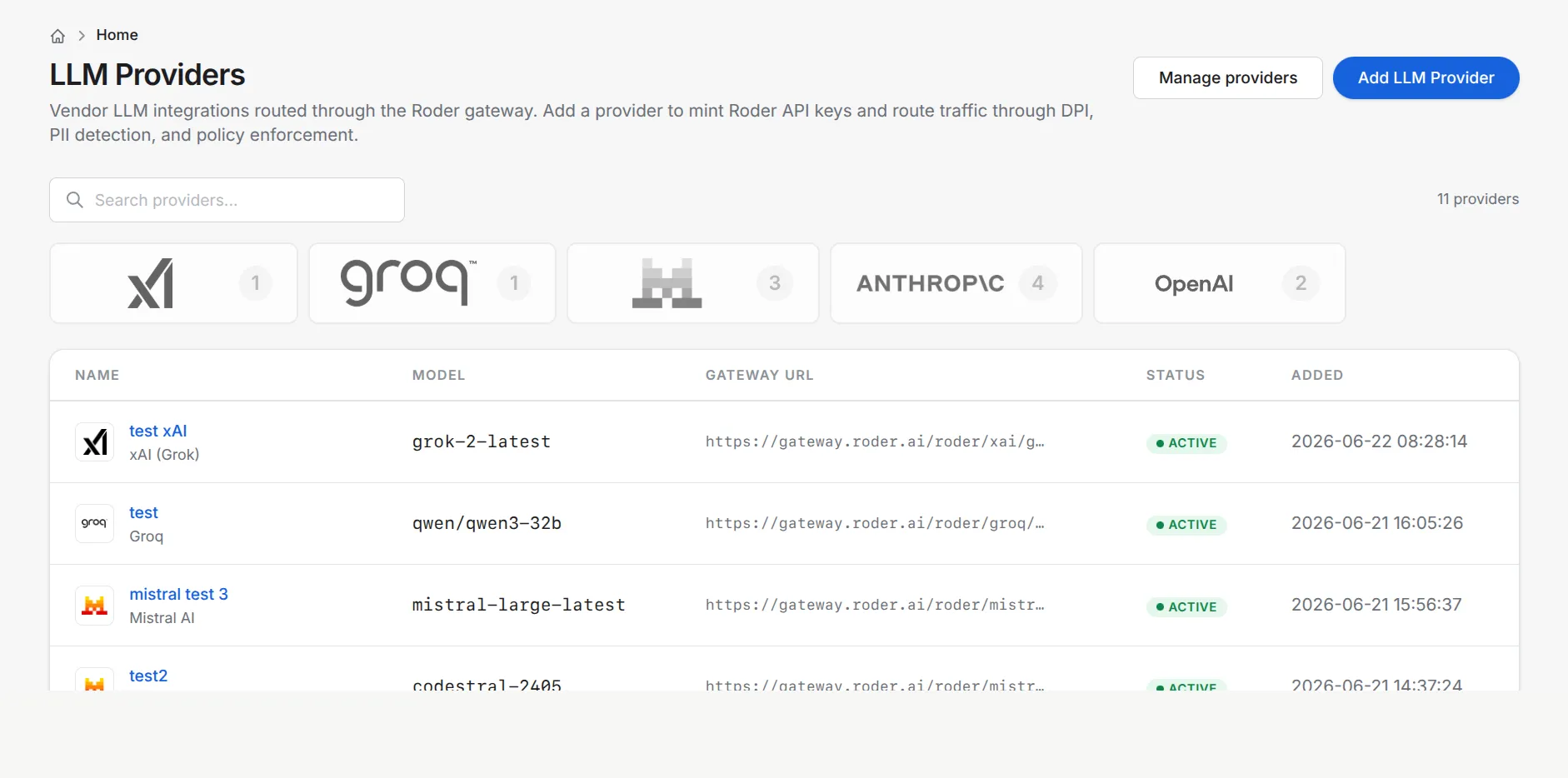
Every shadow-AI strategy starts in the same place: discovery. Not a survey, not an honour system, but actual signal from where the traffic is. Roder watches two vantage points at once, the browser and the gateway, and reconciles them into one picture.
app.roder.ai/security/discovery
What the gateway sees
01 · Browser
Tools, before traffic leaves
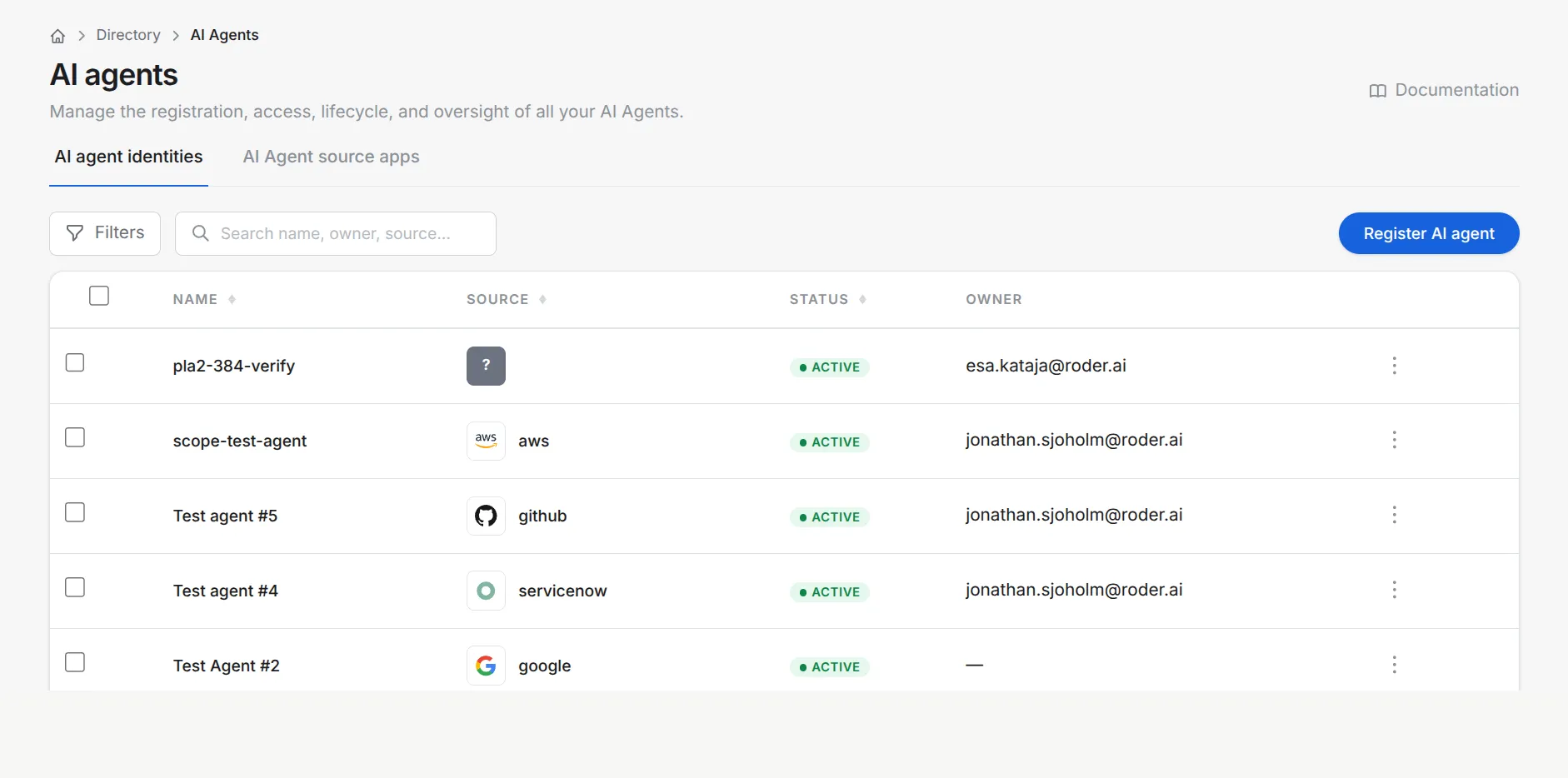
A lightweight plugin flags AI tools in use on managed devices: the ChatGPT tab, the Claude side-panel, the coding assistant.
02 · Gateway
Every call, classified
Each outbound AI request is tagged by provider, model and risk, sanctioned or not, the moment it crosses the wire.
03 · Inventory
One live map
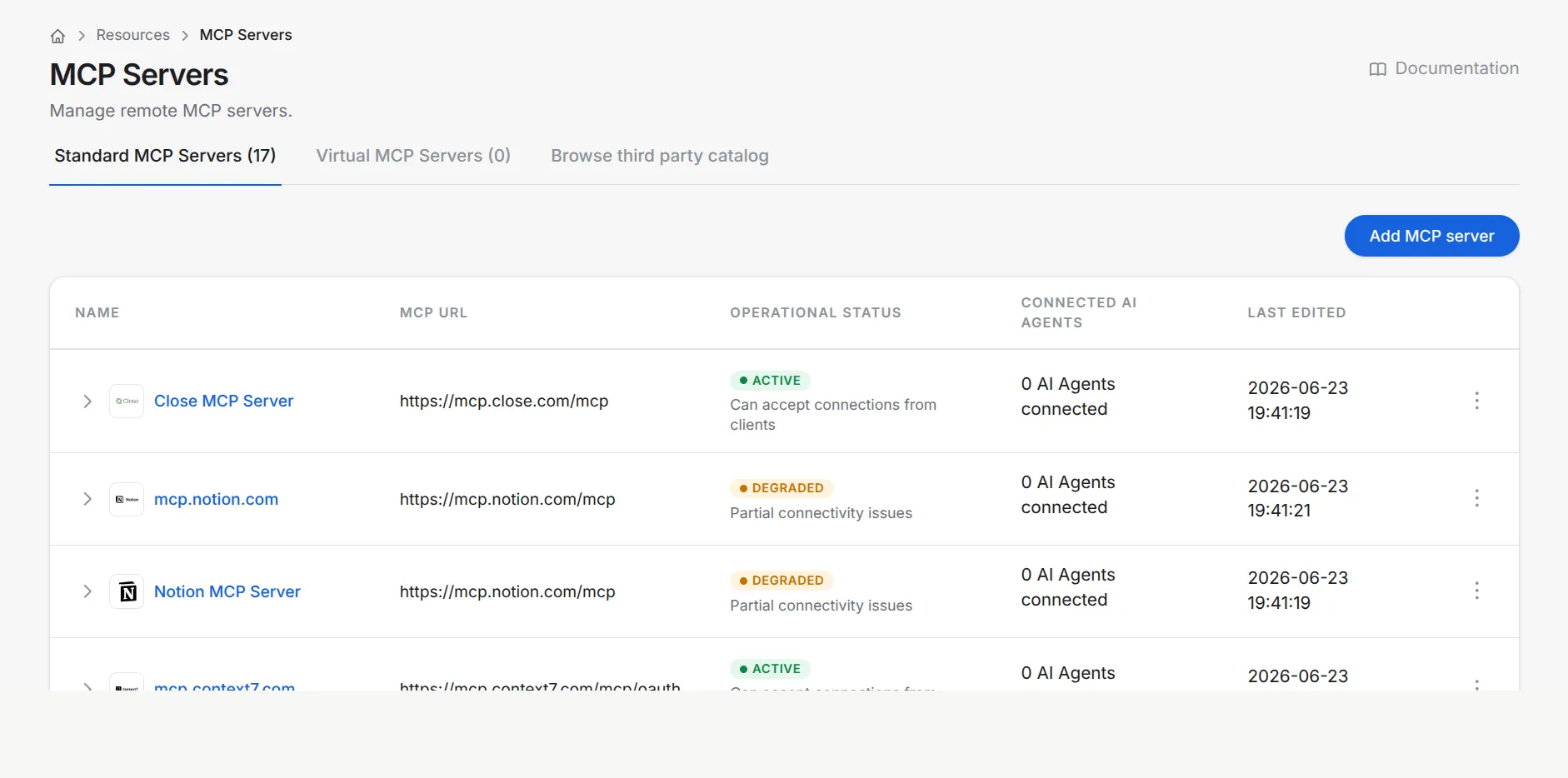
Humans, agents and MCP servers land in a single inventory you can actually query, not a spreadsheet from last quarter.
04 · Policy
From seen to governed
One click moves a discovered tool from seen to governed: routed through the gateway, logged, and DLP-scanned.
From discovery to control
Discovery is only step one. The point is to bring usage under policy without a heavy-handed ban that just pushes people to their phones. Roder routes sanctioned use through the gateway with DLP on secrets and PII inline, and blocks the rest, so people keep their tools and you keep an EU AI Act-ready audit trail.
 Built in Helsinki for regulated European enterprises — no US Cloud Act exposure.